Dreaming about a wine‑country retreat in Healdsburg but not sure how to finance it? You’re not alone. Second‑home loans follow different rules than primary residences, and local factors like wildfire insurance and rural infrastructure can shape what lenders will approve. In this guide, you’ll learn the most common loan paths, how much you may need to put down, the questions to ask lenders, and what to plan for in Sonoma County. Let’s dive in.
Healdsburg factors that impact loans
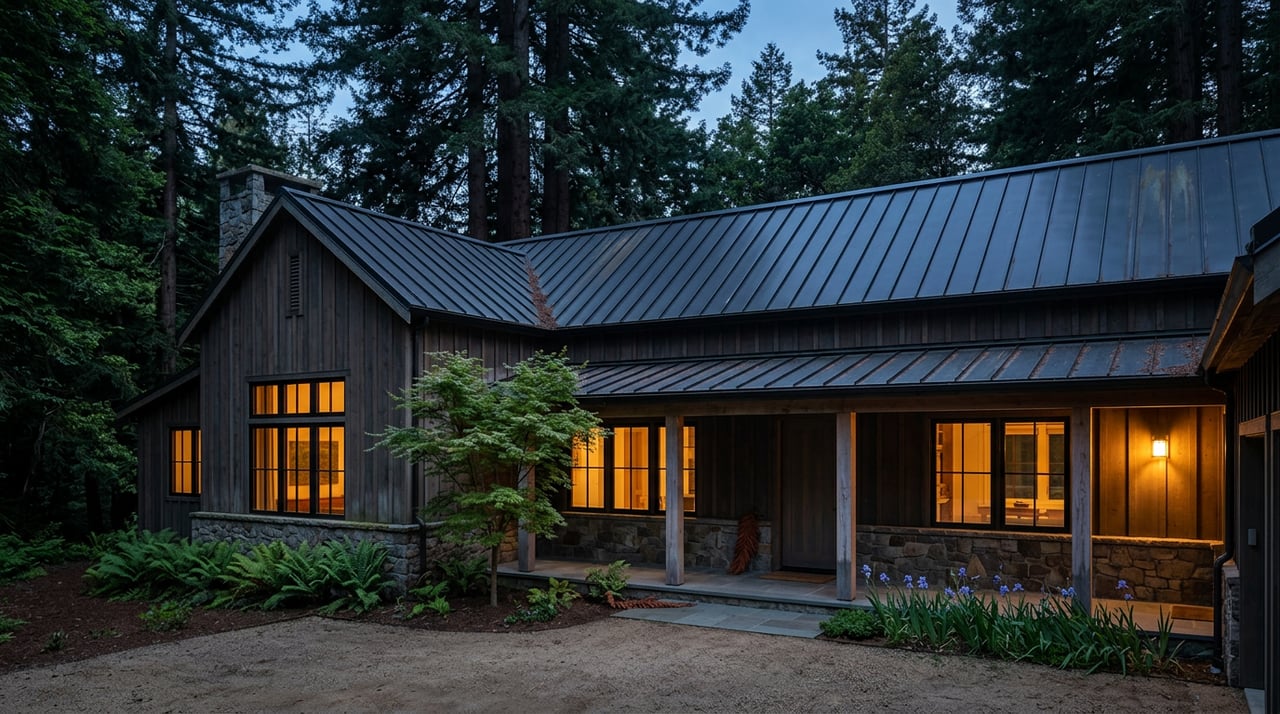
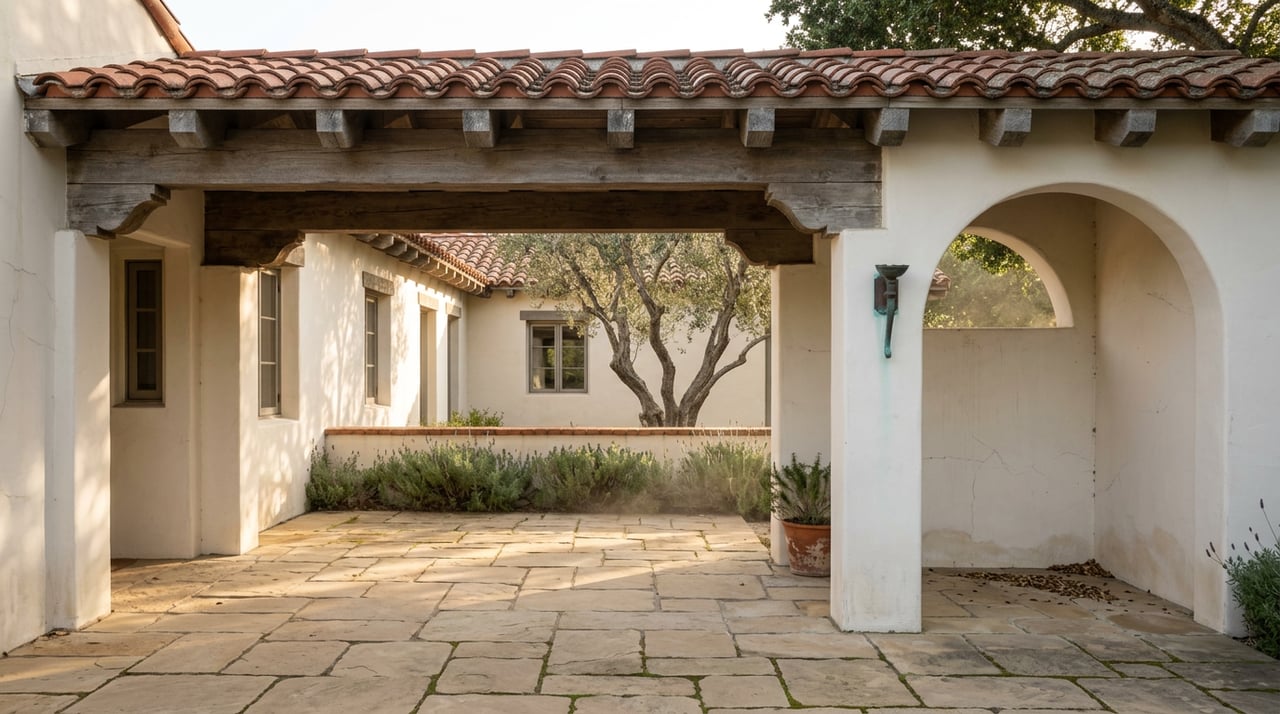
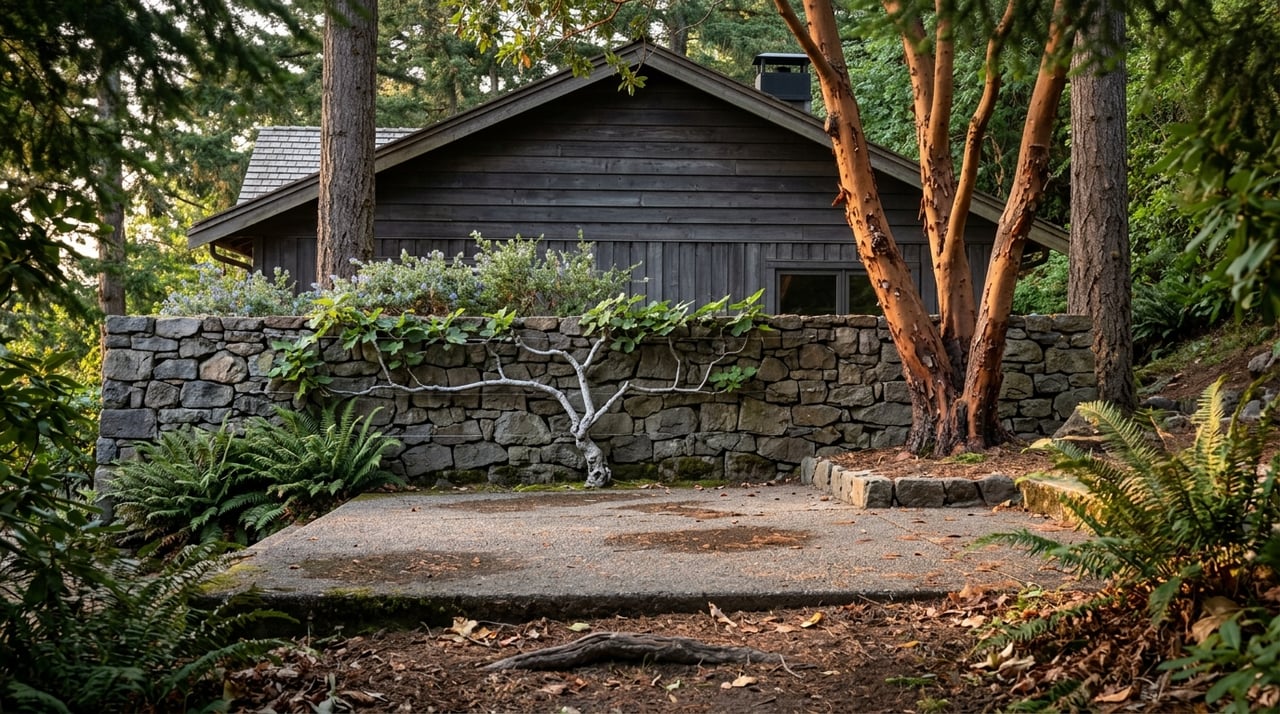
Healdsburg offers a wide mix of homes, from downtown condos and cottages to vineyard and estate properties. Rural parcels can involve wells, septic systems, and agricultural considerations. Lenders look closely at insurability, access, and property type when underwriting.
- Property taxes: In Sonoma County, base property tax is roughly 1 percent of assessed value plus local assessments. Budget around 1.1 percent or more annually, and confirm details on the county’s property tax pages with the Sonoma County property tax information.
- Insurance and wildfire: Insurers may limit or price coverage differently in higher‑risk areas. Lenders require acceptable hazard insurance at closing, and some carriers may ask for wildfire‑hardening steps. Review the California Department of Insurance wildfire resources before you write an offer.
- Occupancy matters: Second homes are not the same as investment properties. Many lenders classify a second home as a property you use personally, with limited rental days. See Fannie Mae’s overview of occupancy types and eligibility.
Your main financing paths
Conventional conforming loans
These follow Fannie Mae and Freddie Mac rules. The maximum conforming amount changes by county each year. Check the current Sonoma County limit using the FHFA conforming loan limits tool. If your loan amount stays at or below that number and you qualify, pricing is often competitive.
- Typical requirements: About 10 percent minimum down for qualified borrowers is possible, but many lenders and buyers choose 15 to 25 percent to improve pricing and meet reserve rules. Expect a lower debt‑to‑income cap near 45 percent and 6 to 12 months of reserves.
- Rental restrictions: To be treated as a second home, the property must be primarily for your use. Frequent rental use can trigger investment‑property treatment.
- Pros: Wide availability and established guidelines.
- Cons: The conforming limit may be too low for many Healdsburg price points, which pushes you into jumbo financing.
Jumbo loans
If you borrow above the county conforming limit, you enter the jumbo market.
- Typical requirements: 20 percent down is common. Strong borrowers sometimes find 10 to 15 percent options depending on the lender. Expect higher credit score minimums (often 700+), 6 to 12 or more months of reserves, and full documentation.
- Pros: Enables financing for higher‑priced Healdsburg homes with competitive terms at many banks.
- Cons: Often higher rates than conforming loans and tighter underwriting.
Portfolio loans
Portfolio loans are kept on the lender’s books instead of being sold to Fannie or Freddie, so the lender can be more flexible.
- Use cases: Unique rural or vineyard properties, nonstandard construction, or complex income situations. Some lenders allow alternative documentation or interest‑only terms.
- Pros: Flexibility on property type, income verification, and structure.
- Cons: Higher rates and more lender discretion. It pays to shop and compare.
HELOCs, cash‑out, and bridge loans
Many Bay Area buyers use equity from a primary home to fund a Healdsburg purchase.
- HELOC: A home equity line of credit can fund a down payment or even an all‑cash offer if your equity is deep. Lenders will look at the combined loan‑to‑value across mortgages. Learn the basics from the CFPB’s guide to home equity loans and HELOCs.
- Cash‑out refinance: You can refinance your primary residence to pull cash for the purchase. Understand costs and tradeoffs with the CFPB’s explainer on cash‑out refinance.
- Bridge loans: Short‑term funds to buy before selling. These can be fast and flexible, but costs and timelines are tighter.
Cross‑collateralization
Some portfolio lenders will secure your new loan with both the Healdsburg property and your existing home. This can increase the loan amount available without taking separate cash out.
- Pros: May reduce cash needed at closing or improve terms.
- Cons: More complexity. The lender places liens on multiple properties, which can affect future refinancing or sales if not planned carefully.
What lenders will ask for
Documentation checklist
Be ready to provide:
- Photo ID and Social Security number
- Two years of federal tax returns; two years of W‑2s if salaried
- Recent pay stubs covering 30 days and year‑to‑date income
- Two months of bank statements for assets and seasoning
- Mortgage statements for any existing loans and property tax statements
- HOA documents if buying a condo or HOA property
- An appraisal of the Healdsburg property
- For rural parcels: well and septic reports if applicable
- If using a HELOC: statements and proof of any seasoning required by the lender
Down payment and reserves
- Conventional second home: About 10 percent minimum is possible, but many lenders expect 15 to 25 percent in practice. Private mortgage insurance options for second homes are limited, so less than 20 percent down may be difficult or more expensive.
- Jumbo second home: Plan for 20 percent, sometimes 25 percent or more, especially at larger loan sizes or with lower credit scores.
- Reserves: Six to twelve months of total housing payments is a common requirement. Higher loan amounts or risk profiles can push reserves higher.
Income, DTI, and rental plans
Lenders count all housing obligations, including your primary mortgage and any HELOC payments. Debt‑to‑income ratios for second homes tend to be stricter than for primary residences. If you plan to rent the home part‑time, discuss this early. Heavy rental use can reclassify the loan as an investment property, which changes the down payment, reserve, and pricing rules.
Taxes to discuss with your CPA
Mortgage interest on a second home may be deductible within federal limits if the loan is secured by the property and used to buy or substantially improve it. For loans originated after December 15, 2017, the cap for married filing jointly is generally up to 750,000 dollars of qualifying acquisition debt. Review the details in IRS Publication 936, and ask your tax advisor how the SALT deduction cap and your filing status affect you.
Smart questions to ask lenders
Use this checklist when you interview lenders. Get answers in writing when you can.
- Do you offer conventional second‑home loans, and what is the current Sonoma County conforming limit?
- Do you offer jumbo or portfolio second‑home loans? What is the minimum down payment and typical APR range today?
- What credit score, maximum DTI, and maximum LTV do you require for second homes?
- Do you allow gift funds? If yes, how much and under what conditions?
- Can I lock a rate now? What are the lock terms and fees?
- What property‑specific documents will you require for a rural parcel, condo/HOA, or vineyard property?
- Do you permit part‑time rentals? If yes, what are the limits on rental days for a second‑home classification?
- Will you count short‑term rental income to qualify? If so, what documentation do you need?
- Do you allow cross‑collateralization with my primary home? What are the terms and risks?
- Can I use a recent HELOC or cash‑out as down payment funds? Any seasoning rules?
- What combined LTV limits apply if I have both a primary mortgage and a HELOC?
- How many months of reserves are required at my loan amount and LTV?
- What DTI cap will you allow including all housing payments?
- What extra requirements do you have for self‑employed borrowers?
- What are total estimated closing costs, including lender, appraisal, and third‑party fees?
- What is your typical application‑to‑closing timeline for this product?
- Do you require special insurance or wildfire mitigation steps before closing?
- How would cross‑collateralization affect future refinancing or the sale of either property?
- If I rent occasionally, how will that affect my mortgage terms and insurance requirements?
- Do you have any Sonoma County or Healdsburg‑specific appraisal or underwriting overlays?
- Can you issue a detailed preapproval that lists conditions and required reserves?
Real‑world scenarios
A. Large equity, flexible options
Profile: You own a Bay Area home valued near 1.6 million dollars with a 600,000 dollar mortgage balance, and you want a 900,000 dollar Healdsburg retreat.
- Option 1: Put 20 percent down and finance the rest with a conventional or jumbo loan depending on the conforming limit at the time. You qualify based on income, credit, and reserves.
- Option 2: Open a HELOC on your primary home to fund the down payment. The new HELOC payment counts toward your DTI, and the rate may be variable, so plan cash flow carefully.
- Option 3: Use cross‑collateralization with a portfolio lender to reduce cash outlay. Understand the added liens and future refinancing implications before you proceed.
Key tradeoffs: HELOCs are fast and flexible but add a second payment. Cross‑collateralization can preserve cash but adds complexity and risk.
B. High‑price purchase, jumbo territory
Profile: You want a 1.8 million dollar Healdsburg home with strong W‑2 income and a 760 FICO.
- Option 1: Jumbo mortgage with 20 to 25 percent down, 6 to 12 months of reserves, and full documentation.
- Option 2: A portfolio lender offering an interest‑only or alternative‑documentation loan at premium pricing.
Key tradeoffs: Jumbo is the most common path for this price point, but requirements are tighter. Shop multiple lenders to compare rates and reserve expectations.
C. Limited cash, equity‑assisted plan
Profile: You have 150,000 dollars in cash and want a 1.2 million dollar property.
- Option 1: Try a jumbo or portfolio loan with 10 to 15 percent down. Expect stricter reserve and pricing requirements.
- Option 2: Cash‑out refinance of your primary home to boost the down payment and reduce the first‑lien LTV on the purchase.
- Option 3: Cross‑collateralization to leverage equity without a separate cash‑out, accepting added complexity.
Key tradeoffs: Lower down payments usually mean higher rates or fees and more reserves. Factor all payments into your DTI.
How to move forward
- Set a realistic price range based on your down payment, DTI, and reserves.
- Speak with two or three lenders: a national bank, a local or regional bank, and a portfolio lender. Use the question checklist above.
- Verify insurability early, especially for properties in higher wildfire‑risk areas. Start with the California Department of Insurance wildfire resources.
- If you plan to use a HELOC or cash‑out, confirm seasoning rules and CLTV caps in writing before you make an offer.
- Confirm the current Sonoma County conforming limit with the FHFA loan limits tool.
- Discuss tax implications with your CPA using IRS Publication 936 as a starting point.
If you want a calm, step‑by‑step path to a second home in Healdsburg, we can help you focus on the right properties and navigate local nuances with confidence. When you are ready to explore options, connect with Continuum Real Estate for tailored buyer representation.
FAQs
What is a second‑home loan versus an investment loan?
- A second‑home loan is for a property you use personally with limited rental use, while an investment loan is for properties held primarily for rental income and has different down payment, pricing, and reserve rules.
How much do I need to put down in Healdsburg?
- Many second‑home buyers put 15 to 25 percent down to meet lender overlays and improve pricing; jumbo loans often expect 20 percent or more.
What is the current Sonoma County conforming limit?
- The limit changes annually; check the latest number using the FHFA’s conforming loan limits tool.
Can I use a HELOC for my down payment?
- Often yes, if documented and within combined LTV caps; your lender will count the HELOC payment in your DTI and may require seasoning.
How does wildfire risk affect my loan?
- Lenders require proof of acceptable hazard insurance; in higher‑risk areas, coverage can be costlier or harder to obtain, which can affect approval and timelines.
Are mortgage interest and property taxes deductible on a second home?
- Mortgage interest may be deductible within federal limits if the loan is acquisition debt; property tax deductions are subject to SALT caps. Confirm details with your CPA and review IRS Publication 936.