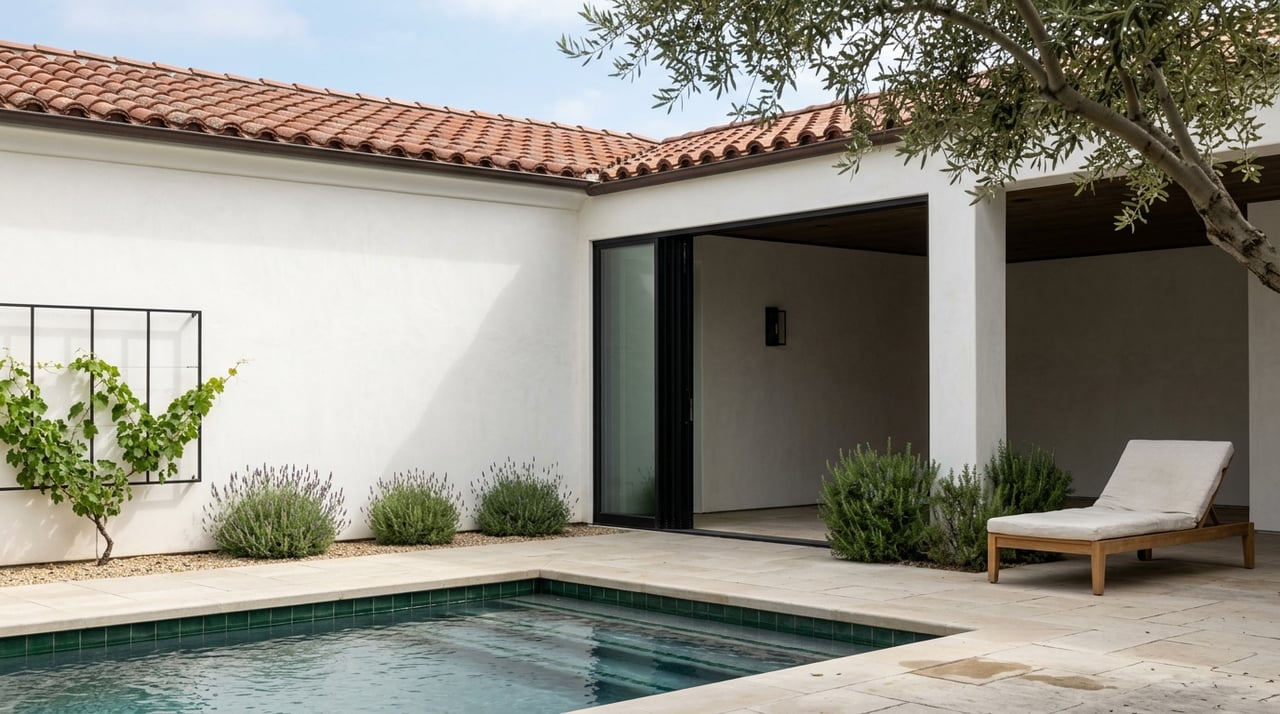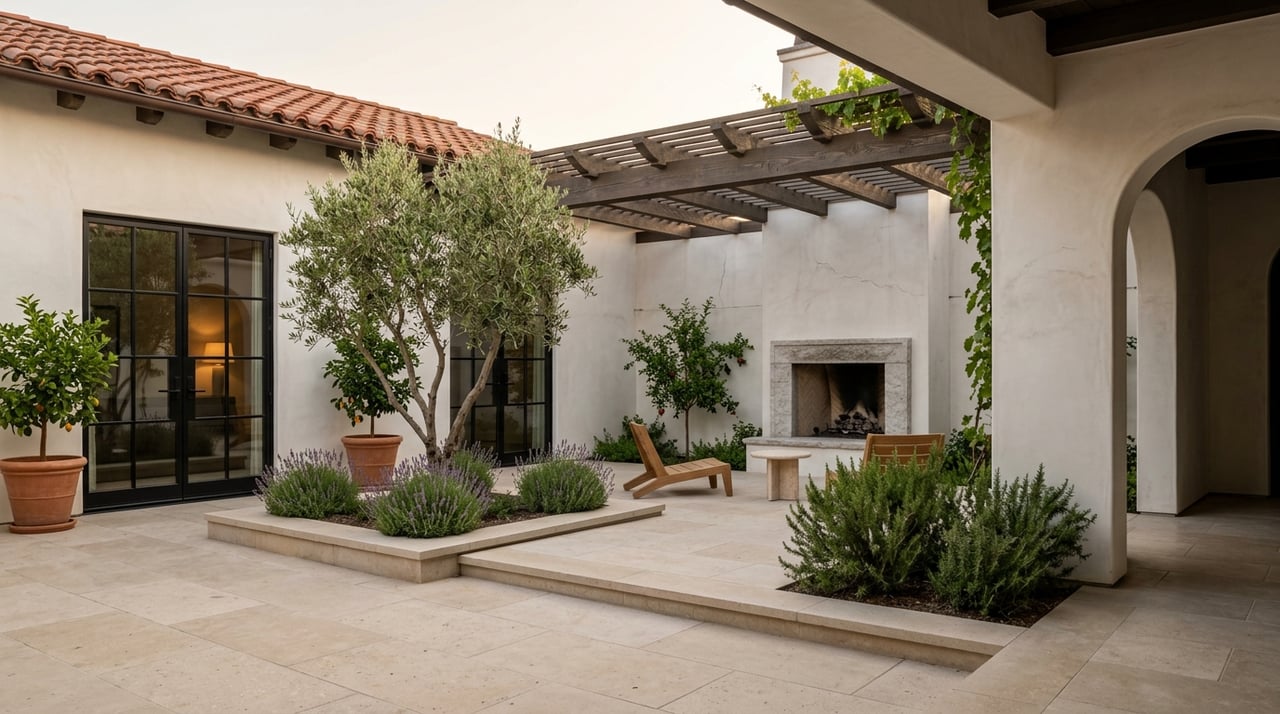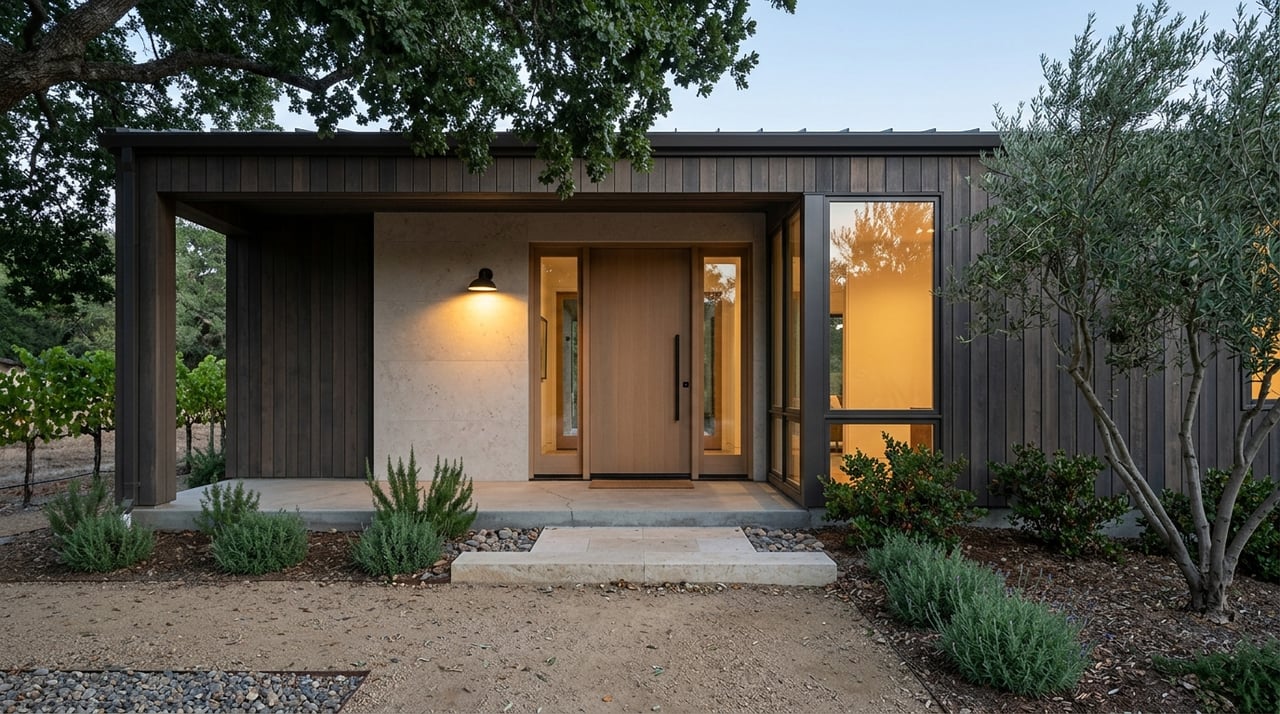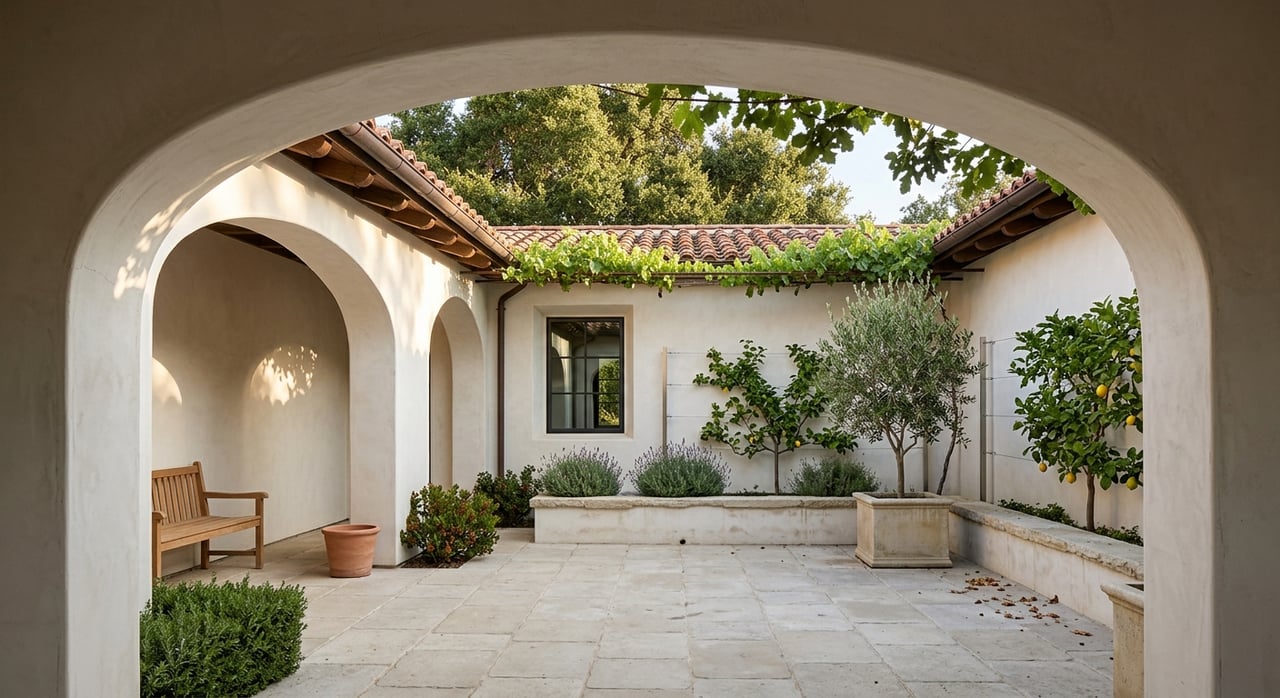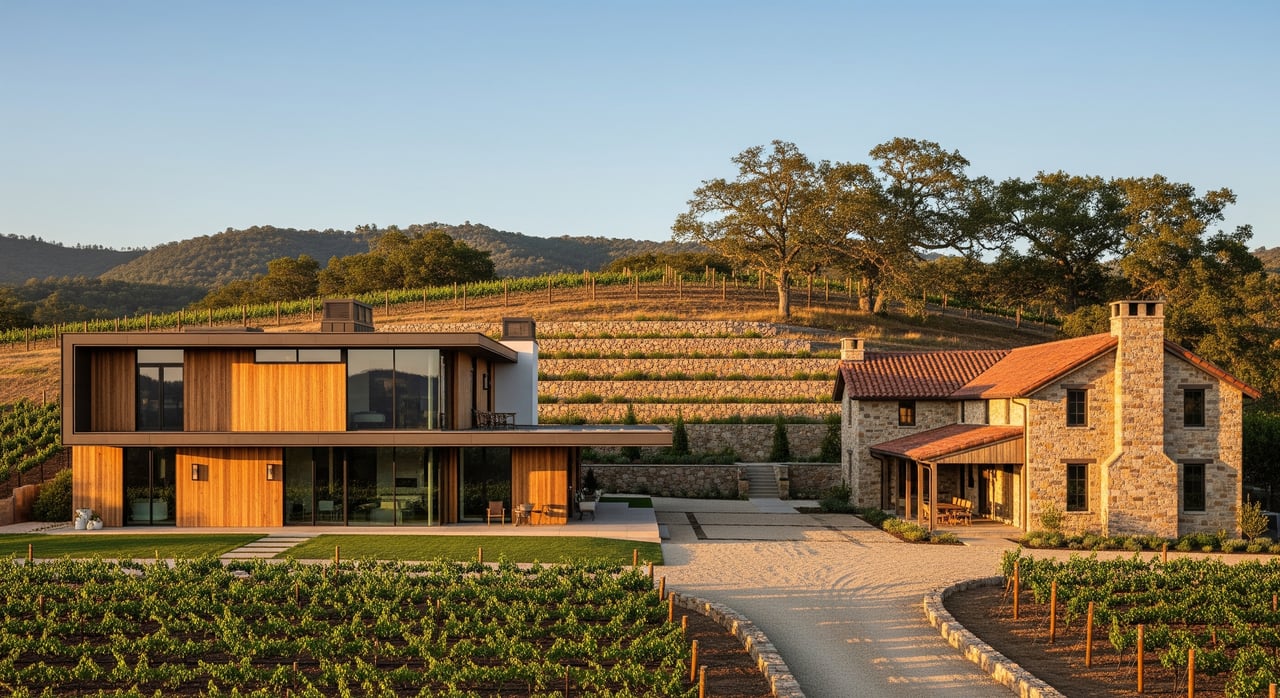
Deciding between a new build and a vintage farmhouse in Kenwood can feel like choosing between two great versions of Wine Country living. Both offer beauty and lifestyle appeal, yet the path, timeline, and total cost of ownership are very different here in Sonoma Valley. If you want clarity on energy codes, wildfire and insurance realities, wells and septic, and what it really takes to get to move-in, you are in the right place. In this guide, you will learn the key trade-offs so you can buy with confidence. Let’s dive in.
New builds in Kenwood: what to expect
New homes in Kenwood are typically custom builds or replacements on existing parcels, not subdivisions. They must meet California’s current Building Energy Efficiency Standards, commonly known as Title 24, which set a strong energy baseline and require solar on most new single-family homes. You can review these standards on the California Energy Commission’s Building Energy Efficiency Standards page.
New construction is also reviewed for local implementation of green-building measures at permitting. Expect modern insulation, high-performance windows, right-sized HVAC, and often EV-ready electrical infrastructure. Short-term maintenance is usually minimal, and system warranties create predictability in the first 5 to 10 years.
From a fire-safety standpoint, new homes can incorporate ember-resistant vents, ignition-resistant exterior materials, and Class A roofing. Defensible space planning is built into the permit process in coordination with fire authorities.
Vintage homes in Kenwood: charm and challenges
Vintage homes often deliver larger parcels, mature trees, and distinctive craftsmanship. Many were built before modern seismic and energy codes, so you may encounter older electrical panels, galvanized plumbing, single-pane windows, and minimal insulation. Comfort and efficiency can be improved, but upgrades should be planned and budgeted.
Seismic strengthening, electrical panel updates, and targeted insulation and HVAC improvements are common projects. If the home relies on a private well and septic, the condition and capacity of those systems will be central to your plans, especially if you want to add an ADU or expand the footprint. Mature landscaping adds beauty and privacy, yet it can raise maintenance needs and wildfire fuel-load considerations.
Safety, fire, and insurance realities
Wildfire is a fact of life across much of Sonoma County. Properties in and near higher wildfire hazard areas may face insurance availability and cost challenges that vary by location and by insurer. The California Department of Insurance offers consumer guidance and information on mitigation-based insurance incentives through its Safer from Wildfires resources.
Defensible space and construction hardening are key. Cal Fire outlines the state’s defensible space rules and home hardening practices, and maps Wildfire Hazard Severity Zones that can help you understand parcel exposure. In general, a new home built with ember-resistant features on a well-managed parcel may present fewer underwriting hurdles, but results still depend on the specific site and insurer.
- Explore Cal Fire’s Defensible Space guidelines to see the required clearance and maintenance around the home.
- Review the state’s Wildfire Hazard Severity Zones for high-level exposure mapping in your search area.
- Check the California Department of Insurance’s Safer from Wildfires for consumer guidance on mitigation and insurance.
Lots, land, and utilities in Kenwood
Kenwood is unincorporated, rural in character, and many properties use private wells and onsite wastewater systems. Permitting is handled by Sonoma County’s Permit Sonoma, which oversees building permits, septic design and replacement, well permitting, and land-use reviews.
If you pursue a new build or a significant remodel, early feasibility on septic and well capacity helps you avoid surprises. Creek setbacks, grading, and tree protections can influence site planning. On vintage parcels, older septic systems may need repair or replacement over time, and that work requires county permits and testing.
- Learn about county permitting, septic, and well considerations at Permit Sonoma.
Costs and maintenance over time
New construction shifts most major replacements into the future. You will likely have lower unplanned expenses in the first decade, plus warranties on systems and materials. Over longer horizons, replacement cycles tend to cluster, so budget planning is still smart.
With vintage homes, the near-term to-do list can be longer. Many buyers phase improvements, which spreads out costs but requires ongoing coordination. Landscaping and vegetation management may also be more intensive on established parcels, given mature trees and seasonal growth.
Permitting and timelines in the county
Because Kenwood sits in an unincorporated area, county-level processes drive the timeline. New builds generally require full permitting, environmental reviews when applicable, and coordination with fire authorities. Large grading, tree removal, or complex land-use changes can add steps and time.
Renovations can be quicker if the work is limited to repairs or interior updates. Significant footprint changes, septic upgrades, or new accessory structures bring you back into fuller review. Plan your schedule with a cushion for inspections and any required mitigation.
Resale and lifestyle fit
Vintage homes attract buyers who value character, land, and privacy. They can be ideal if you enjoy stewardship and the creative process of making an older home your own. The buyer pool narrows when projects or fire-mitigation work feel daunting.
New builds appeal to buyers who want turnkey living, modern layouts, and predictable operating costs. The trade-off can be less mature landscaping and a contemporary aesthetic that may or may not align with your vision of Wine Country charm. In Kenwood, both segments are in demand, and quality execution usually leads to strong resale potential.
Side-by-side comparison
| Feature / Consideration | Vintage Homes (Kenwood) | New Construction (Kenwood) |
|---|---|---|
| Typical lot sizes | Often larger parcels, mature landscaping, possible vineyards | Custom builds can also be on large parcels, infill replaces older homes |
| Energy and code | Older systems unless upgraded | Built to current Title 24 energy standards, typically includes solar |
| Wildfire resilience | May need retrofits for vents, roofing, and siding | Can include ember-resistant vents, Class A roof, and hardened exteriors |
| Maintenance needs | Near-term repairs and updates more likely | Lower in first 5–10 years, with warranties |
| Utilities | Private well and septic are common; condition varies | Must meet current septic and well standards or connect if available |
| Design and layout | Character details, traditional floor plans | Open plans, modern kitchens, accessible baths |
| Permitting and timing | Smaller repairs faster, major work triggers review | Comprehensive permits and reviews, longer timeline |
| Resale appeal | High for buyers seeking character and land | High for buyers seeking turnkey and efficiency |
Example property archetypes
Archetype A: Kenwood Ranch Vintage
- 2 to 5 acres with mature oaks and a small hobby vineyard.
- 1960s ranch home with original floors and single-pane windows.
- Strengths: privacy, acreage, charm, potential for hobby farming.
- Watch-outs: older roof or electrical panel, aging septic, minimal insulation, higher vegetation maintenance for fire safety.
- Best fit: you want character, land, and are comfortable budgeting for phased upgrades.
Archetype B: Custom New Build on a Rural Parcel
- 1 to 3 acres, built 2018 to 2023 with modern materials and a Class A roof.
- Open floor plan, energy-efficient windows, and solar per Title 24.
- Strengths: turnkey systems, lower near-term maintenance, integrated fire-mitigation design.
- Watch-outs: less mature landscaping, higher upfront costs, longer pre-construction timeline.
- Best fit: you want efficiency, predictability, and contemporary design.
Archetype C: Remodeled Mid-Century With Upgrades
- Sub-acre to 1 acre, vintage home renovated within the last decade.
- Preserved character with updated electrical, plumbing, insulation, and HVAC.
- Strengths: blended charm and modern comfort, fewer immediate repairs.
- Watch-outs: quality varies by contractor, septic or well constraints may remain.
- Best fit: you want warmth and style with fewer early projects.
Your Kenwood due diligence checklist
Use this as a quick-reference when you are serious about a property.
Disclosures and records
- Ask for dates and scope of major system replacements: roof, electrical panel, HVAC, water heater.
- Request septic and well records: installation date, service logs, and any repairs.
- Confirm recent wildfire mitigation work and vegetation management.
Inspections to schedule early
- General home inspection plus pest and wood-destroying organism inspection.
- Septic inspection and, if you are planning an addition or ADU, a feasibility or percolation check.
- Well test for water quality and pump performance if on a private well.
- Roof and electrical panel inspections by licensed specialists.
- For older homes, consider a structural or seismic evaluation.
For new builds or major remodels
- Verify permits, final sign-offs, and request the Title 24 compliance report.
- Review builder and manufacturer warranties and their transfer terms.
- Ask about required county mitigation measures such as stormwater or tree protection.
Wildfire and insurance due diligence
- Review Cal Fire’s Wildfire Hazard Severity Zones and Defensible Space requirements.
- Contact multiple insurers and ask about wildfire coverage, deductibles, and any mitigation discounts. The California Department of Insurance provides guidance through Safer from Wildfires.
- Consider contingencies tied to obtaining acceptable homeowners insurance.
Financial and market checks
- Request recent comparable sales and local days-on-market for both vintage and newer homes.
- If renovations are needed, obtain contractor estimates before removing contingencies.
- Discuss renovation loan options if you plan extensive work.
Personal fit
- Do you prioritize character and land or predictability and efficiency?
- Are you willing to manage phased upgrades and vegetation maintenance?
- Do you need turnkey living now or can you live through a remodel?
How to choose with confidence
Both paths can be excellent in Kenwood. If you want lower immediate maintenance, energy savings, and modern layouts, a new build or a recently completed custom home may be right for you. If you value acreage, privacy, and classic Wine Country character, a well-kept vintage home can be a rewarding choice with thoughtful planning.
For property-specific guidance or a private tour plan that fits your timeline, connect with the local team that knows the details of wells, septic, fire-safety upgrades, and Title 24 in Sonoma Valley. Start a conversation with Continuum Real Estate to move forward with clarity and confidence.
FAQs
What should I know about energy rules for new homes in Kenwood?
- Most new single-family homes in California must meet Title 24 energy standards, which typically include solar and high-efficiency building envelopes. Review the California Energy Commission’s overview of the Building Energy Efficiency Standards.
How does wildfire risk affect buying in Kenwood?
- Wildfire exposure can influence insurance availability and price, and it guides defensible space and building-hardening requirements. Cal Fire’s Wildfire Hazard Severity Zones and Defensible Space resources provide helpful context.
Are wells and septic common in Kenwood, and what does that mean for me?
- Many properties rely on private wells and onsite wastewater systems. You should verify septic capacity, condition, and well performance, and work with Permit Sonoma for permitting and compliance.
Will a new home be easier to insure than a vintage home?
- It depends on location, parcel characteristics, and mitigation. Newer, hardened homes may underwrite more easily, but outcomes vary by insurer. The California Department of Insurance’s Safer from Wildfires offers consumer guidance on mitigation and insurance.
How long does it take to permit a new build in unincorporated Sonoma County?
- Timelines vary based on scope, site constraints, and required reviews. New builds typically require comprehensive permits and fire review, which is longer than minor renovations. Permit Sonoma is the best starting point for current process details.
What inspections are nonnegotiable for a vintage home in Kenwood?
- At minimum, schedule a general home and pest inspection, septic inspection and percolation if relevant, well test, roof assessment, and electrical panel review. Consider a structural or seismic evaluation when conditions warrant.