If you are preparing a Glen Ellen property for market, you are speaking to buyers who expect more than pretty photos. They look for turnkey indoor–outdoor living, strong documentation, and an easy path to close. With the right plan, you can meet those expectations without overhauling your life. This guide gives you a focused checklist, smart timing tips, and the documentation strategy that builds buyer confidence in 95442. Let’s dive in.
Glen Ellen market at a glance
Glen Ellen is a low-inventory, high-value pocket of Sonoma Valley. Public portals have shown median prices in the low to mid seven figures with variable days on market, so use your agent’s MLS comps to set strategy and price for your specific home. For a broad snapshot, review the 95442 overview from Realtor.com and confirm details with your listing broker for accuracy and timing. You can explore the current 95442 market overview on Realtor.com.
Seasonality matters in wine country. Buyer activity often concentrates in spring and early fall when gardens and vineyards show at their best. Premium homes can sell year-round with targeted marketing, but it pays to align photos and open houses with peak landscape moments. For broader wine country timing trends, see Sotheby’s Sonoma County market update.
What buyers notice inside
Focus on the three rooms that shape first impressions: the kitchen, the primary suite, and the main living area. Neutral paint, updated lighting and hardware, and a meticulous deep clean often outperform disruptive remodels. Industry research shows staging can shorten market time and may lift offer strength, so plan for it. Learn more about why presentation matters from the National Association of REALTORS®.
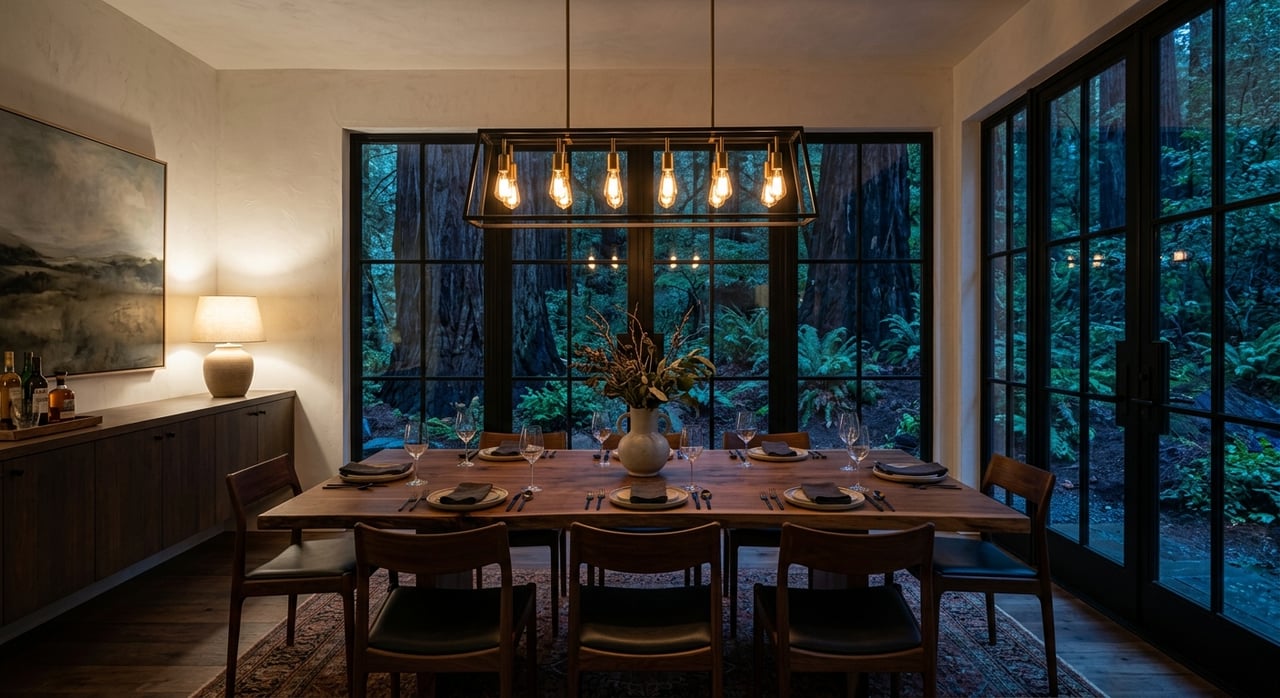
Wine country touches help. A climate-controlled wine storage area, a guest suite or detached cottage, and a chef-forward kitchen add perceived lifestyle value. Keep finishes authentic and light, and make sure window treatments frame the views.
Outdoor living and defensible space
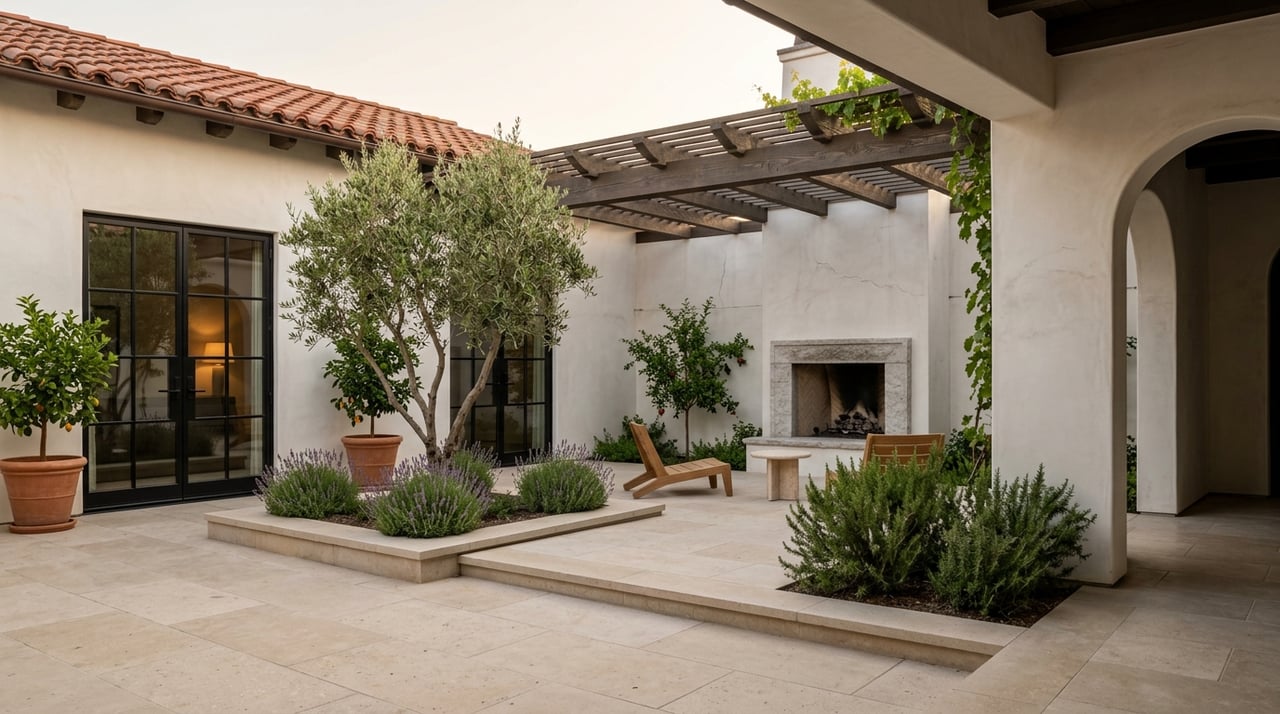
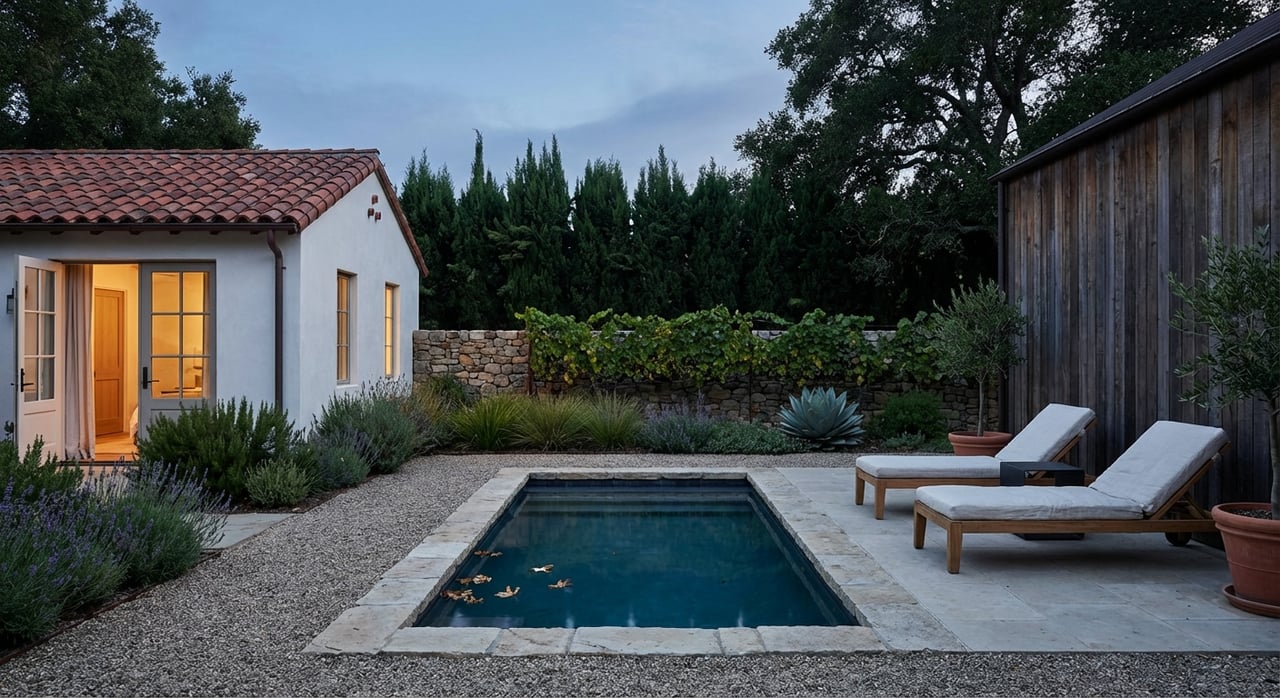
Outdoor entertaining drives decisions in Glen Ellen. Highlight covered patios, a grill station or outdoor kitchen, lounge zones, and a spa or pool if present. Planting that reads native or Mediterranean with efficient irrigation signals low maintenance and water awareness.
Fire readiness is essential in Sonoma County. Buyers want proof of defensible space and an ember-resistant Zone 0 near structures. Schedule any needed clearing early and keep receipts, before–after photos, and inspection records ready for buyers and insurers. For sale-time inspections and AB 38 defensible-space requirements, review Permit Sonoma’s wildfire inspections and assessments.
Vineyard and visitor-use documents
If your property includes vines or sits next to a winery, assemble a simple fact packet. Include vine age and varietals, irrigation or block maps, farm leases, water sources or rights, and any winery or visitor-serving approvals if applicable. Sonoma County permits often cap production, daily visitors, and events, which can influence value and future use. For policy background, see the county’s winery event policy overview.
If wildfire smoke affected past harvests, gather any lab results or winemaker notes that address smoke exposure. Buyers appreciate transparent history and documentation that supports land value.
Reliability, privacy, and services
Second-home and luxury buyers want reliable systems. If you have backup power, spell it out: generator type or solar plus battery, fuel source, transfer switch, and which circuits run during outages. Public Safety Power Shutoffs are a known regional issue, so position readiness as a benefit. For local PSPS context, see Petaluma’s power shutoff FAQs.
Also prepare broadband options, EV charging details, and clear well and septic documentation where relevant. Clean, current records reduce friction and build confidence.
Disclosures and pre-listing inspections
Complete California’s required disclosures early. The Transfer Disclosure Statement and Natural Hazard Disclosure are standard for most residential sales, and updates are required if new facts emerge. Review the statutory framework summarized in AB 1289 with your listing agent and align timing.
If your property lies in a State Responsibility Area or a Very High Fire Hazard Severity Zone, follow sale-time defensible-space rules and be prepared to provide AB 38 documentation. Pre-listing inspections can also help: roof, HVAC, termite, and where applicable, well and septic checks. A complete packet reduces renegotiation risk.
Marketing and media that sell
Invest in a professional photo plan. Order daylight interiors, golden-hour exteriors, and if relevant, drone aerials and a Matterport tour to reach out-of-area buyers. For estates, include simple site diagrams that show guest cottages, pool placement, and vineyard blocks to help buyers understand context and privacy.
Be mindful of California’s new image rules. Starting January 1, 2026, AB 723 requires clear disclosure when listing images are digitally altered, such as virtual staging or edits that add or remove material features. If altered images appear on a broker-controlled site, the original images must be available. Review the details in AB 723 and label edits accordingly.
Insurance and mitigation value
Insurers in California are moving toward transparent discounts for specific wildfire-mitigation steps like Class A roofs, ember-resistant vents, enclosed eaves, and maintained defensible space. Collect invoices, work scopes, and photos so buyers and carriers can verify improvements. The state’s “Safer from Wildfires” initiative provides policy context you can share. Learn more from the California Department of Insurance.
Your 6 to 8 week prep timeline
- Weeks 8 to 6: Line up contractor checks for roof and HVAC. If on well or septic, schedule evaluations. If in a state fire zone, request guidance on AB 38 sale-time defensible-space steps using Permit Sonoma’s wildfire inspections and assessments. Start any needed vineyard or agricultural documentation.
- Weeks 6 to 4: Complete defensible-space work and tree care, handle minor repairs, paint where needed, declutter, and deep clean. Begin a staging plan and gather any county permits or approvals for guest houses or visitor-serving uses.
- Weeks 4 to 2: Install staging. Book professional photos, drone, and Matterport. Prepare your disclosure and inspection packet for buyers, including TDS, NHD, and system reports.
- Week 1 to launch: Go live with full media. Host a broker open and coordinate targeted outreach to qualified local and Bay Area buyer segments.
Concierge prep checklist
Use this as a quick reference while you prepare.
Interior readiness
- Neutral paint, updated lighting and hardware
- Deep clean and window wash, including screens and skylights
- Stage kitchen, primary suite, and main living spaces
- Curate wine storage display and guest suite if applicable
Outdoor and landscape
- Power wash hardscape, fresh mulch or gravel in key zones
- Style outdoor seating, soft goods, and dining areas
- Complete defensible-space clearing and Zone 0 ember reduction
- Document work with invoices and before–after photos
Systems and services
- Service HVAC and water heater, replace filters
- Outline backup power capacity, EV charging details
- Compile broadband options from local providers
Vineyard or visitor-serving items
- Vine age, varietals, irrigation or block maps
- Farm leases, water sources or rights
- Copies of any winery or event permits and conditions
Disclosures and inspections
- TDS and NHD completed and updated as needed
- Pre-listing roof, termite, septic and well checks where applicable
- AB 38 defensible-space documentation if in a mapped fire zone
Media and marketing
- Daylight and twilight photography, drone, and Matterport
- Label any virtually staged or altered images per AB 723
- Short video tour that highlights lifestyle and practical details
When you stack these pieces together, you create a calm, compelling story that resonates with high-intent buyers: a property that is easy to understand, beautiful to experience, and ready to close.
If you want a tailored plan and hands-on vendor coordination, connect with the local team that treats your sale like a private placement. Reach out to Continuum Real Estate to start a conversation.
FAQs
What is the best time to list a Glen Ellen home?
- Spring and early fall often see concentrated demand and strong visuals, but distinctive properties can succeed year-round with targeted marketing and seasonally timed photography informed by resources like Sotheby’s Sonoma County update.
How do I prove defensible-space compliance in Sonoma County?
- Schedule an inspection, complete clearing that addresses Zone 0 to 100 feet as applicable, and save invoices and photos; see Permit Sonoma’s wildfire inspections and assessments for sale-time requirements including AB 38.
Which rooms should I prioritize for staging in 95442?
- Focus on the kitchen, primary suite, and main living or entertaining space, since presentation in these areas most often shapes buyer perception according to NAR staging guidance.
What documents do vineyard-adjacent sellers need to gather?
- Provide vine age and varietals, irrigation and block maps, leases, water rights or sources, and any winery or event permits with limits; see the county’s winery event policy overview for context.
How does California’s AB 723 affect listing photos?
- Starting January 1, 2026, you must disclose any digitally altered images like virtual staging, and broker-controlled sites must make originals available; review AB 723 for details.
What insurance-related upgrades matter to buyers?
- Document wildfire-mitigation steps such as Class A roofing, ember-resistant vents, enclosed eaves, and defensible space, which align with the state’s Safer from Wildfires framework and can help with underwriting and discounts.