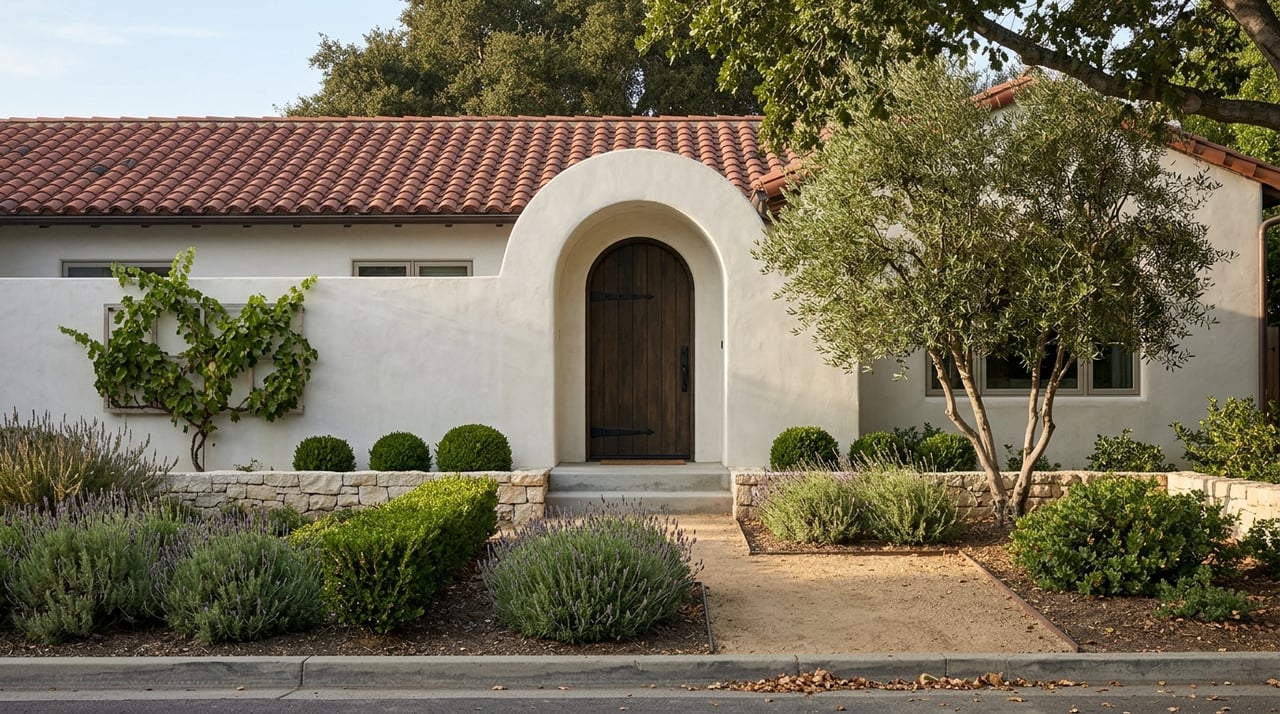
Are you picturing mornings where you can stroll to coffee and dinner, or do you keep coming back to quiet roads, open views, and a little more space between you and the next house? In Sonoma’s 95476 area, that choice often comes down to two very different lifestyles: living near Sonoma Plaza or settling into a country-road setting in Sonoma Valley. If you are weighing both, this guide will help you compare daily rhythm, home character, infrastructure, and long-term fit so you can focus on the version of Sonoma that truly matches how you want to live. Let’s dive in.
Two Sonoma lifestyles
Within 95476, Sonoma Plaza living and country-road living are not just two versions of the same experience. They shape your day in different ways, from how often you drive to how much privacy you have and what kind of setting surrounds you.
Sonoma Plaza centers around an eight-acre National Historic Landmark laid out in 1835. The downtown core is tied closely to public spaces, historic buildings, restaurants, and tasting rooms, while the broader countryside leans into vineyards, open land, hiking access, and destination dining. Sonoma County also has more than 425 wineries, so wine-country access is part of both options, just experienced differently.
Sonoma Plaza daily life
If you want to be in the middle of activity, Sonoma Plaza offers a more walkable and event-oriented routine. The Plaza Park serves as a central public space with fountains, a duck pond, a rose garden, play structures, and public restrooms, and it hosts the seasonal Tuesday Farmers Market along with other events.
That means your day can feel connected to town life in a very immediate way. You may be able to walk to meals, tastings, errands, or a casual afternoon in the park instead of planning every outing around a car.
There are also practical details that shape downtown life. Street parking around the Plaza is free but limited to three hours Monday through Saturday, and two public parking lots sit nearby. The Plaza visitors center also sells bus passes and regional parks annual passes, which adds to the feeling that this area is built around convenience and access.
At the same time, the Plaza is a managed civic space, not just a quiet neighborhood lawn. Dogs are not allowed in the Plaza park except service animals, and alcohol is only allowed there between 11:30 a.m. and sunset. That structure helps explain why the area often feels lively, curated, and public-facing.
Country roads daily life
If you are drawn to a slower pace, country-road living offers a different kind of Sonoma experience. In southern Sonoma Valley and nearby rural stretches, the landscape opens up into vineyards, open space, and more separation between homes.
That usually means a more car-dependent routine. Instead of stepping out to a cluster of downtown destinations, you are more likely to drive to meals, shopping, and appointments, even though you may gain closer access to wineries, hiking trails, and scenic back roads.
Some rural parts of Sonoma Valley, including the broader Carneros area, have a more limited number of dining options compared with downtown. For many buyers, that is not a drawback. It is the point. You trade everyday walkability for privacy, landscape, and a retreat-like pace.
Architecture and home character
One of the clearest differences between these two settings is how the homes feel. Near the Plaza, you are in Sonoma’s historic core, where architecture reflects the city’s long development over time.
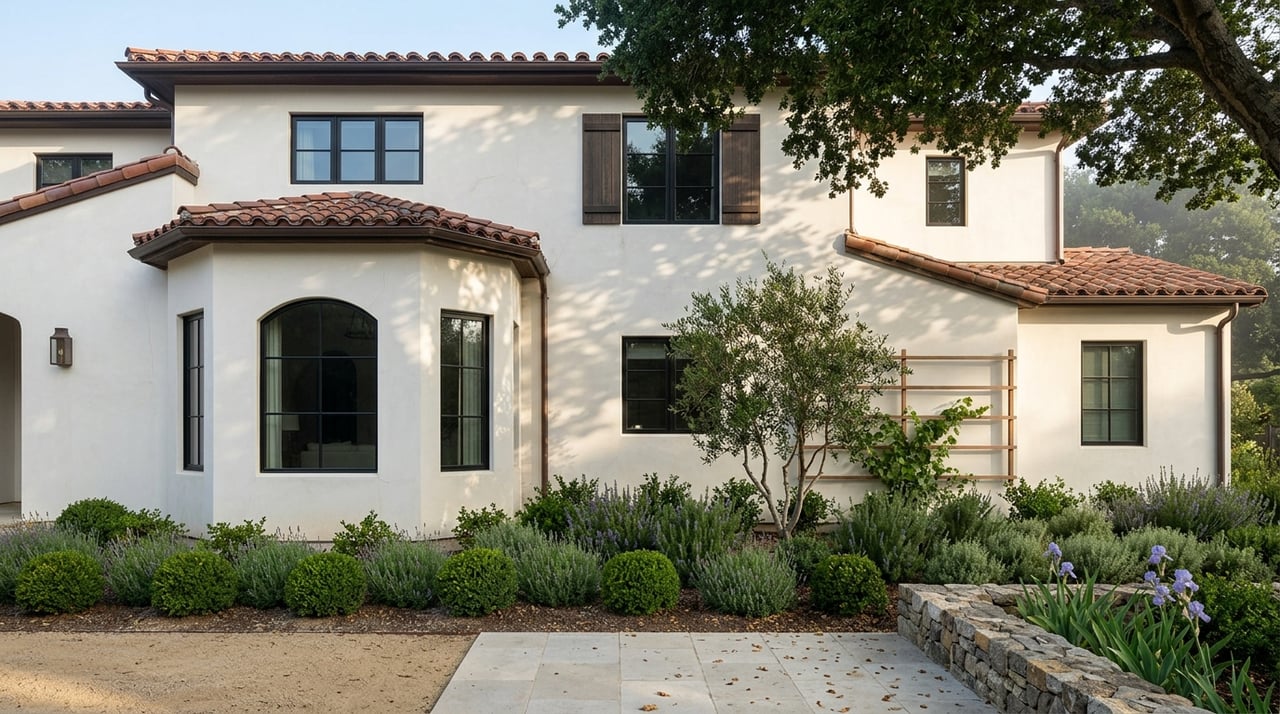
According to the Sonoma League for Historic Preservation, Sonoma’s earliest buildings near the Central Plaza were adobes, followed later by redwood-frame buildings and local stone structures. Plaza-area styles include Monterey Colonial adobe, Spanish Revival, Mission Revival, Victorian Stick, and early 20th-century civic architecture.
That architectural mix gives the Plaza area a layered, place-specific character. If you value historic detail, a traditional street pattern, and a setting shaped by preservation, this area may feel especially compelling. The City of Sonoma also maintains a Historic Preservation Commission to protect architectural heritage and town design.
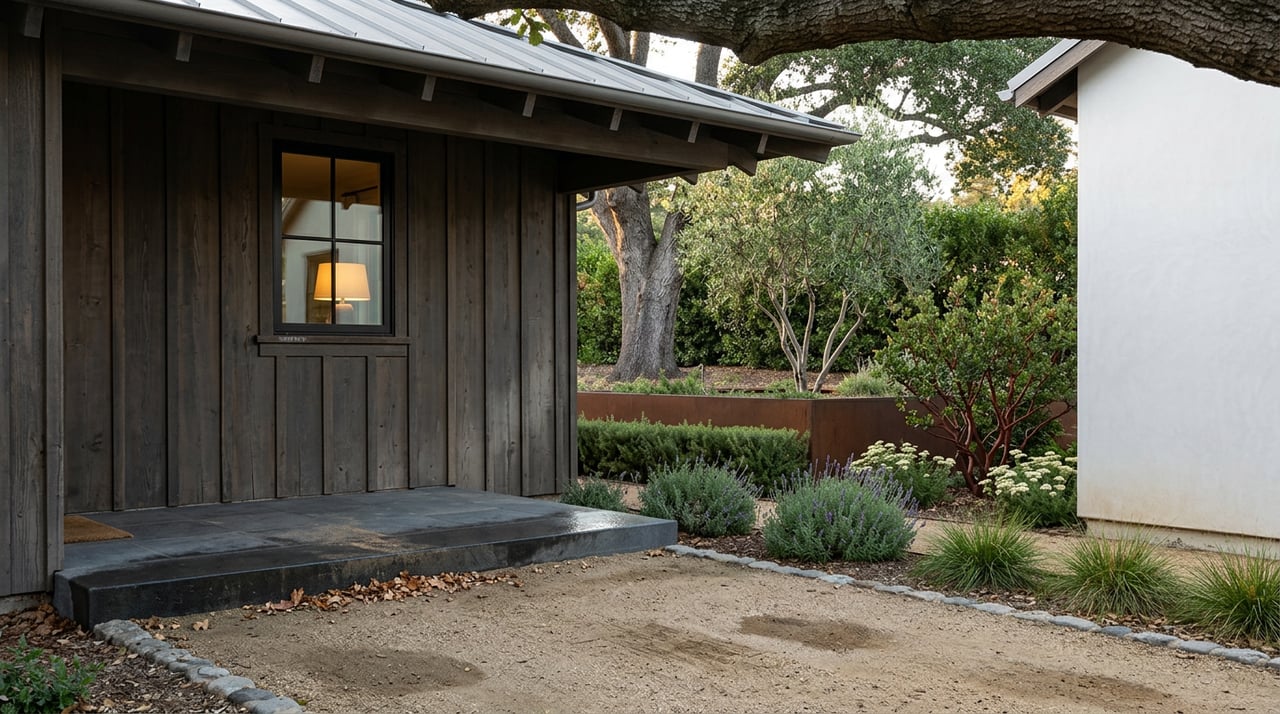
Country-road homes sit in a looser visual landscape. Sonoma Valley includes steep mountains, rolling benchlands, fertile plains, and rustic areas such as Sonoma Mountain, which can feel more off the beaten path.
In practical terms, that geography often translates into more views, greater separation, and a stronger sense of retreat. Not every parcel will feel the same, but rural homes often appeal to buyers who want the landscape to be part of the living experience.
Walkability versus privacy
For many buyers, this is the real decision point. You are not just choosing a home. You are choosing what you want your everyday life to ask of you.
If you prefer to walk to restaurants, tasting rooms, public events, and central services, Sonoma Plaza is usually the easier fit. The setting supports a simpler day-to-day routine, especially if you like having activity and amenities close at hand.
If you prefer more privacy, quieter surroundings, and the feeling of arriving somewhere tucked away, country roads may suit you better. You will likely drive more, but you may gain more space, more visual openness, and a setting that feels distinct from town.
A simple way to frame it is this:
- Choose Plaza living if convenience, walkability, and a historic downtown atmosphere matter most.
- Choose country-road living if privacy, scenery, and a rural pace matter more than being close to town on foot.
Infrastructure matters more in rural areas
A country property can be beautiful and still require more due diligence. In unincorporated Sonoma County, parcel-specific infrastructure can become a major part of the buying process.
Permit Sonoma notes that where public sewer is not available, homeowners must have septic systems. The county’s permit pathways also include septic, well, zoning, grading, lot-line adjustments, and transportation issues.
That does not mean rural properties are harder to own in every case. It does mean you should expect more property-specific review, especially around access and utilities. Compared with a downtown purchase, a country-road home may involve more questions before you feel fully comfortable moving forward.
Second-home goals and rental rules
If this purchase may be a second home, your intended use matters a lot. The rules are not the same in the City of Sonoma and unincorporated Sonoma County.
In the City of Sonoma, new vacation rentals are prohibited. Only grandfathered or previously approved rentals can continue, and short-term rentals in ADUs are also prohibited. The city also applies a 13 percent transient occupancy tax to short-term lodging.
Taken together, those rules make the Plaza area a stronger fit for buyers focused on personal use or long-term residential use rather than a short-term-rental plan. If your vision is lock-and-leave ownership with easy town access, that may align well with what the city allows.
In unincorporated Sonoma County, Permit Sonoma offers online applications for vacation-rental and hosted-rental permits. That means some country-road parcels may have short-term-use potential depending on zoning and parcel conditions.
Still, rental possibility should never be separated from infrastructure and permitting realities. If a rural property relies on septic or well systems, those factors can shape both ownership and use. For second-home buyers, the appeal of privacy and flexibility should be weighed alongside maintenance and county review.
Which Sonoma setting fits you best?
If you are deciding between Sonoma Plaza living and a country-road home, ask yourself a few direct questions:
- How much do you want to walk day to day?
- Do you want restaurants and tasting rooms nearby, or are wineries and trails the bigger draw?
- Is this home strictly for personal use, or are you considering short-term rental potential?
- Are you comfortable evaluating septic, well, access, or grading issues?
- Do you want a historic, more regulated setting or a more private, rural one?
There is no universal right answer. The better choice is the one that matches your routine, goals, and comfort level with the property itself.
For many buyers, Sonoma Plaza works best when convenience and low-friction living come first. Country-road homes often make more sense when privacy, landscape, and a retreat feel matter enough to justify a more car-dependent lifestyle and more parcel-specific review.
When you are comparing homes in Sonoma, the details behind the lifestyle matter just as much as the square footage. If you want thoughtful guidance on how a property fits your goals, Continuum Real Estate offers a high-touch, locally grounded approach designed to help you move with clarity and confidence.
FAQs
What is the difference between Sonoma Plaza living and country-road living in 95476?
- Sonoma Plaza living is more walkable, event-centered, and tied to the historic downtown core, while country-road living is generally more private, rural, and car-dependent.
Is Sonoma Plaza a good fit for full-time living in Sonoma?
- Sonoma Plaza can be a strong fit for full-time living if you want easier access to town services, public spaces, restaurants, and a more convenient daily routine.
Are country-road homes in Sonoma more private?
- Country-road homes often offer more separation, open views, and a retreat-like setting, although the level of privacy varies by parcel.
Can you use a Sonoma Plaza home as a short-term rental?
- In the City of Sonoma, new vacation rentals are prohibited, and only grandfathered or previously approved rentals may continue.
Do rural Sonoma properties require more due diligence?
- Yes. In unincorporated Sonoma County, buyers may need to review septic, well, zoning, grading, access, and other parcel-specific conditions.
What kind of architecture is common near Sonoma Plaza?
- Plaza-area architecture includes historic adobe, redwood-frame, stone, Spanish Revival, Mission Revival, Victorian Stick, and other early Sonoma building styles.