Dreaming about a Monte Rio cabin sounds easy until you start looking closely at the details. The charm is real, but so are the practical questions that come with buying in a river-and-redwood community shaped by older homes, natural constraints, and small-town infrastructure. If you want a retreat that feels like a getaway without unpleasant surprises after closing, it helps to know what sets this market apart. Let’s dive in.
Why Monte Rio Feels Different
Monte Rio did not grow like a typical suburban neighborhood. Sonoma County’s historic overview explains that the community developed through logging, rail access, and early tourism, then evolved from large resort hotels into smaller residential subdivisions and commercial strips as car travel became more common.
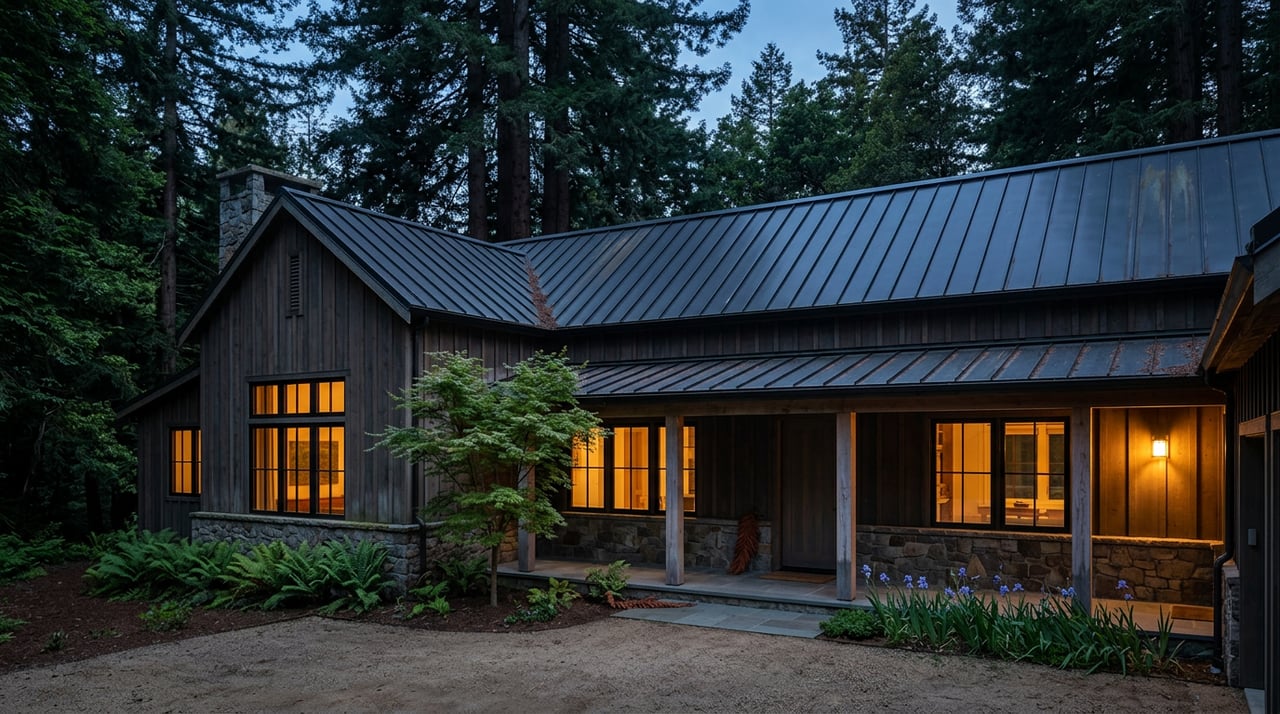
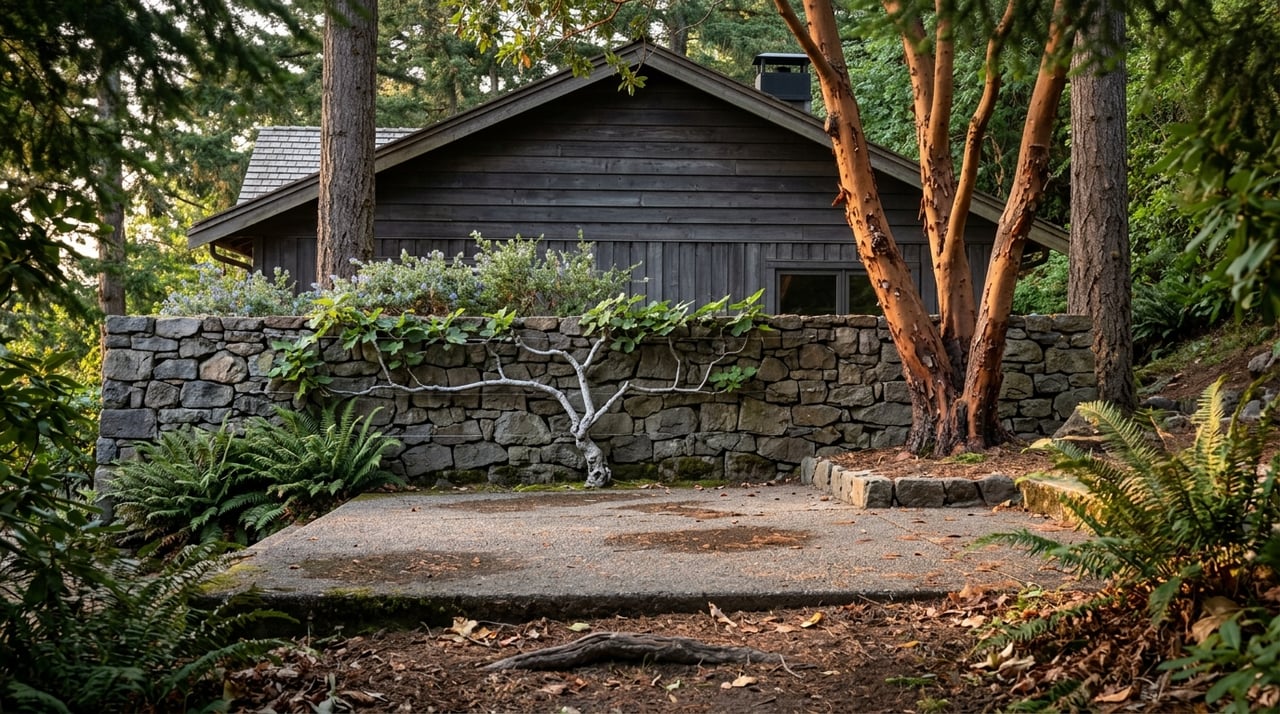
That history still shows up in the housing stock today. Instead of rows of similar newer homes, you are more likely to find cabins, cottages, bungalows, and older wood-framed properties with distinct character and varied upkeep needs.
The setting adds to that identity. County historic guidelines describe a downtown with one- and two-story vernacular buildings, gabled roofs, wide clapboards, guest cottages, inns, and a narrow stretch of Highway 116 without sidewalks, which helps explain why Monte Rio feels more rustic and intimate than master-planned.
What Homes You’ll Likely Find
If you are shopping in Monte Rio, expect personality over uniformity. Many homes reflect resort-era development from the 1920s and 1930s, when the area shifted toward modest residential lots rather than large new subdivisions.
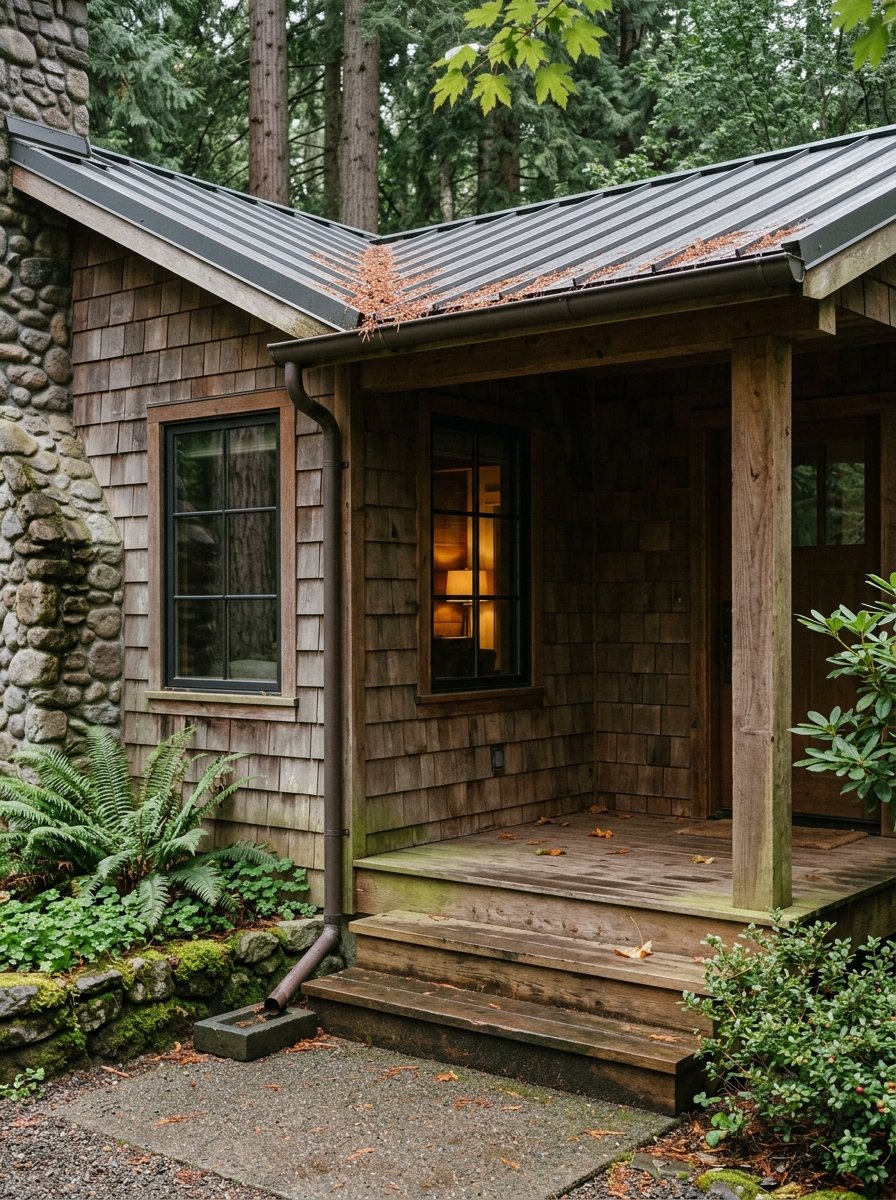
That usually means smaller-scale homes with older materials and construction styles. Sonoma County’s historic description points to one-, two-, and three-story vernacular buildings, often with features like gabled roofs and wood siding that can add charm but also require regular inspection and maintenance.
For buyers coming from the Bay Area or from more urban parts of Sonoma County, this can be an adjustment. A Monte Rio cabin may offer warmth, privacy, and a true getaway feel, but it may also come with a roof, foundation, chimney, or systems profile that deserves deeper review before you write an offer.
Flood Risk Should Be Checked Early
In Monte Rio, flood due diligence should happen at the start of your search, not at the end. Sonoma Water identifies the lower Russian River watershed as Flood Protection Zone 5A, and FEMA’s Flood Map Service Center is the official source for checking flood-hazard mapping for a specific parcel.
This matters most for homes near the river, creeks, or low-lying areas. Even if a property looks ideal on first tour, flood exposure can affect insurance, lending, future improvements, and your comfort level with seasonal ownership.
A smart first step is to verify the parcel’s map status before you get too far emotionally invested. For second-home buyers especially, that early clarity can save time and keep your search focused on homes that fit both your lifestyle and your risk tolerance.
Riparian Rules Can Affect Use
Riverfront and creekside properties often come with another layer of complexity. Sonoma County’s Riparian Corridor combining zone is designed to protect streamside habitat and water resources, and that can influence how a property is maintained or improved.
County materials note stream setbacks of 50 to 100 feet for many corridors and 200 feet for the Russian River. In practical terms, that may affect where additions can go, how much usable land you truly have, and what kind of tree or vegetation work is allowed.
This also intersects with fire preparedness. County fire-fuel guidance allows only minimum-necessary vegetation removal around existing structures and roads in mapped corridors, so buyers should understand that defensible space planning may be more nuanced than it first appears.
Older Cabins Need Systems Review
Many Monte Rio homes have been updated over time rather than rebuilt all at once. That makes inspections especially important, because cosmetic improvements do not always tell you what is happening behind the walls or below the floor.
Sonoma County’s home-hardening guidance says homes built before 1980 with raised floors or crawlspaces, post-and-pier foundations, or unreinforced masonry chimneys are good candidates for seismic strengthening. In a community with many older cabins and cottages, that is a meaningful checkpoint.
When you evaluate a property, focus on the age and condition of the roof, foundation, chimney, electrical, and plumbing. Those items can shape both your short-term budget and your long-term enjoyment of the home.
Water and Wastewater Matter Here
Monte Rio does not operate like a city neighborhood with one simple utility setup. Water service is handled by Sweetwater Springs Water District, which serves Monte Rio and operates a local water system that uses wells near the river.
That means you should confirm service connection details, meter location, and whether any recent district work affects the property. It is better to ask those questions early than to assume the infrastructure will feel the same as a more conventional suburban purchase.
Wastewater is often an even bigger due-diligence item. Sonoma County materials explain that many homes and businesses in lower Russian River communities rely on onsite wastewater treatment systems, and Permit Sonoma states that septic permits must comply with county and state requirements.
In other words, one of your first questions should be simple: is the home on sewer or an onsite wastewater system? That answer can influence inspections, maintenance planning, and your comfort with the property as a part-time or full-time residence.
Fire Readiness Is Part of Ownership
Monte Rio’s wooded setting is a major part of its appeal, but it also comes with responsibility. The Monte Rio Fire Protection District covers 45 square miles, operates stations in Monte Rio, Duncans Mills, and Jenner, and offers free chipping for residents in Monte Rio and nearby communities.
For cabin and cottage owners, that means defensible space, roof debris removal, and tree maintenance are not occasional tasks. They are part of regular ownership in a forested environment.
Seasonal land management is also part of local life. Sonoma County Regional Parks posts prescribed-fire and fuel-reduction notices for Monte Rio Redwoods Regional Park and Open Space Preserve, including possible trail closures and visible smoke during some operations.
The Natural Setting Is a Major Draw
One reason buyers are drawn to Monte Rio is the balance of privacy, trees, and access to the outdoors. Monte Rio Redwoods Regional Park and Open Space Preserve sits at the edge of the community, spans 2,030 acres, and offers trails through coast redwood and Douglas fir forest.
The preserve is also part of a larger protected landscape that helps connect more than 22,000 acres of conserved land from the Russian River to the Sonoma Coast. For buyers who want a retreat feel, that protected setting is a meaningful part of Monte Rio’s long-term appeal.
It also reinforces why homes here feel different from standard neighborhood inventory. You are buying into a landscape as much as a structure, and that makes site-specific due diligence especially important.
Access and Logistics Deserve Attention
Weekend buyers sometimes focus on the house and forget to study the route. In Monte Rio, access can be part of the ownership equation, especially in winter or during infrastructure work.
Sonoma County reported in 2025 that the Bohemian Highway Bridge over the Russian River was being prepared for seismic retrofit after Caltrans identified it as structurally vulnerable. The county also posted a temporary closure of the Main Street bridge in Monte Rio in 2023 following winter storm damage.
If you plan to use the home regularly from the Bay Area, it is worth understanding alternate routes, seasonal road conditions, and the timing of bridge or road work. A beautiful cabin feels even better when the travel plan is realistic.
A Smart Monte Rio Buyer Checklist
Before you move forward on a cabin or cottage in Monte Rio, keep your due diligence focused on the issues that most often shape ownership here:
- Confirm whether the property is on sewer or an onsite wastewater system
- Check whether the parcel is in or near a FEMA flood zone
- Ask if the lot falls within a riparian corridor or setback area
- Review the age and condition of the roof, foundation, chimney, electrical, and plumbing
- Find out who handles defensible space, tree work, and seasonal debris removal
- Consider winter access and whether bridges or roads could affect routine travel
- Verify water service details with Sweetwater Springs Water District
Why Local Guidance Matters
Monte Rio can be a wonderful place to own a second home or lifestyle property, but it rewards buyers who look beyond surface charm. The right purchase is usually the one that balances setting, condition, access, and infrastructure with your goals for how you will actually use the property.
That is where local insight becomes valuable. In a market like Monte Rio, understanding the difference between a charming cabin and a complicated one can shape everything from your offer strategy to your long-term confidence in the purchase.
If you are considering a cabin or cottage in Monte Rio and want thoughtful guidance grounded in Sonoma County expertise, connect with Continuum Real Estate for a tailored, high-touch approach to your property search.
FAQs
What types of homes are common in Monte Rio?
- Monte Rio is known for cabins, cottages, bungalows, and older wood-framed homes that reflect its resort-era development rather than large, newer tract subdivisions.
What should buyers know about flood risk in Monte Rio?
- Buyers should verify flood exposure early by checking the parcel through FEMA’s official flood map source, especially for homes near the Russian River, creeks, or lower-lying areas.
How do riparian corridor rules affect Monte Rio properties?
- Riparian corridor rules can affect setbacks, buildable area, vegetation removal, and defensible space planning, particularly for riverfront or creekside parcels.
Is Monte Rio on city water and sewer?
- Water service is provided by Sweetwater Springs Water District, while wastewater may be sewer or an onsite wastewater treatment system depending on the property.
Why is fire preparedness important for Monte Rio cabin owners?
- Monte Rio’s forested setting means regular defensible space work, roof and debris clearing, and vegetation management are part of ongoing ownership responsibilities.
What access issues should second-home buyers consider in Monte Rio?
- Second-home buyers should look at winter travel conditions, alternate routes, and possible bridge or road work that could affect routine access to the community.